For decades, rental housing has been designed around a simple assumption: people are just passing through. Today, that assumption no longer holds.
Nationally, it is 37% more expensive to own a home than to rent, and according to the National Association of Realtors (NAR) the median age for a first-time buyer has climbed to 40 years old. More than half of millennials are still younger than that threshold, and Gen Z is already entering the rental market behind them.
The profound implication, one that is still often missed in design conversations, is this: today’s renters are not a transitional population anymore. They are building full lives in rental housing.
Across the U.S., renting is becoming a long-term, intentional lifestyle. In build-to-rent (BTR) communities, residents are increasingly families, professionals, and empty nesters, not just young singles. Many are choosing rental living for flexibility, convenience, and quality of life. In fact, 72% of older singles and couples in BTR communities are former homeowners, signaling a shift from renting as necessity to renting as preference.
The implication is clear: we are no longer designing for temporary residents; we are designing for permanence.
Rethinking the Rental Experience
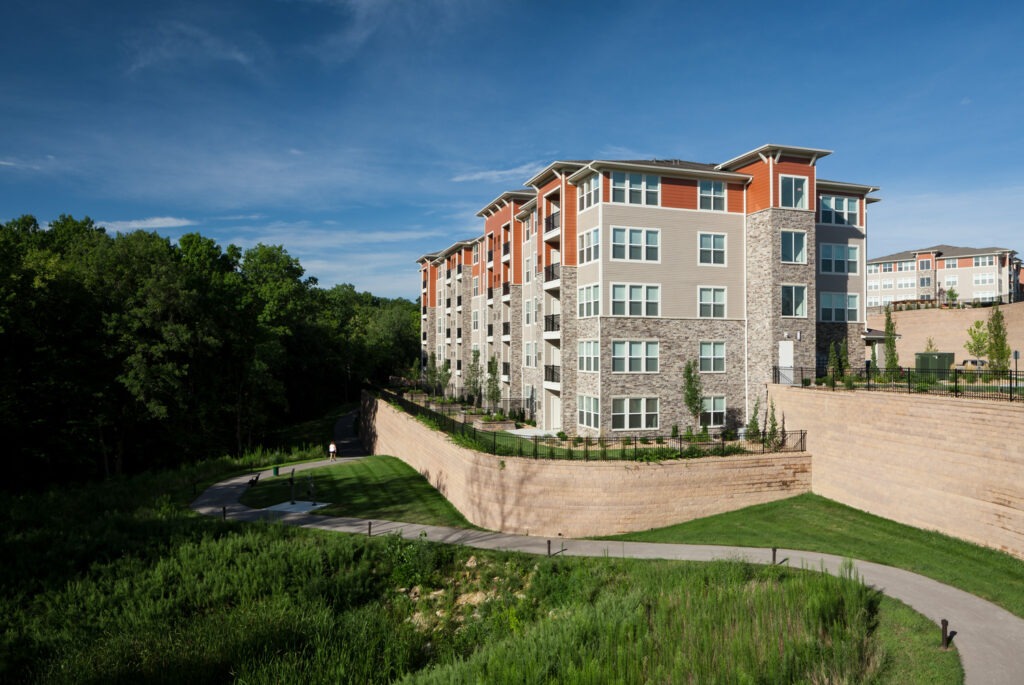
Despite this shift, much of today’s multifamily design still reflects a short-term mindset, with smaller kitchens, limited storage, and spaces that prioritize efficiency over livability.
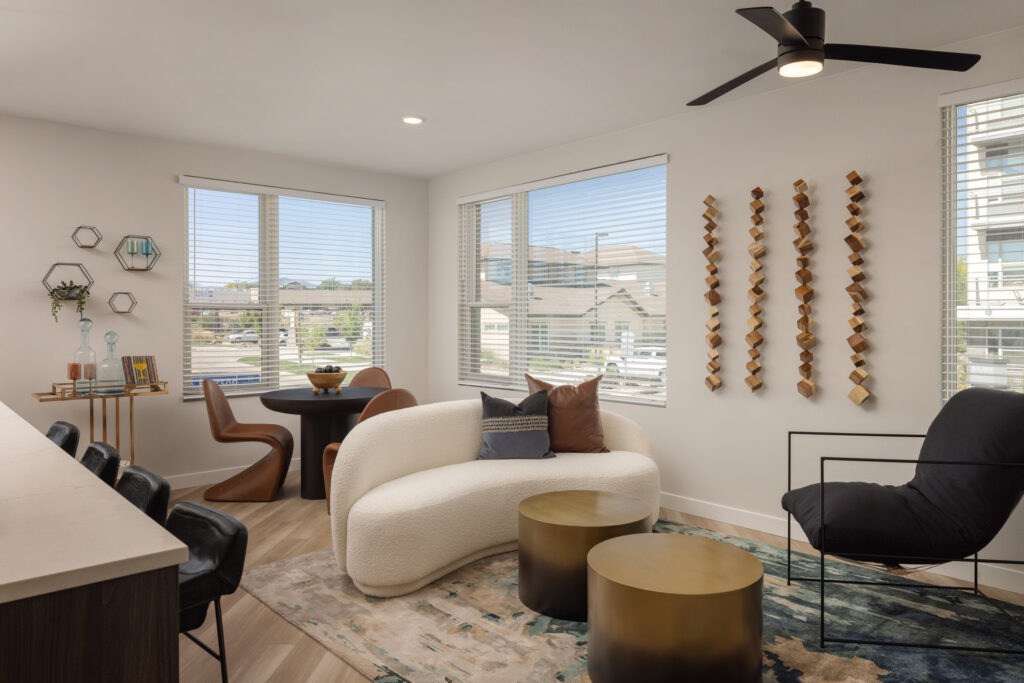
But long-term renters need something different. They are raising children, working remotely, hosting family gatherings, and planning for the future. Their homes need to support permanence, not compromise.
At KEPHART, this means rethinking the design vocabulary of rental housing entirely.

What “Permanence” Looks Like in Design
Designing for long-term renters starts with understanding how people actually live day-to-day, and how those needs evolve over time.
We are seeing growing demand for features that traditionally belonged to for-sale housing, including:
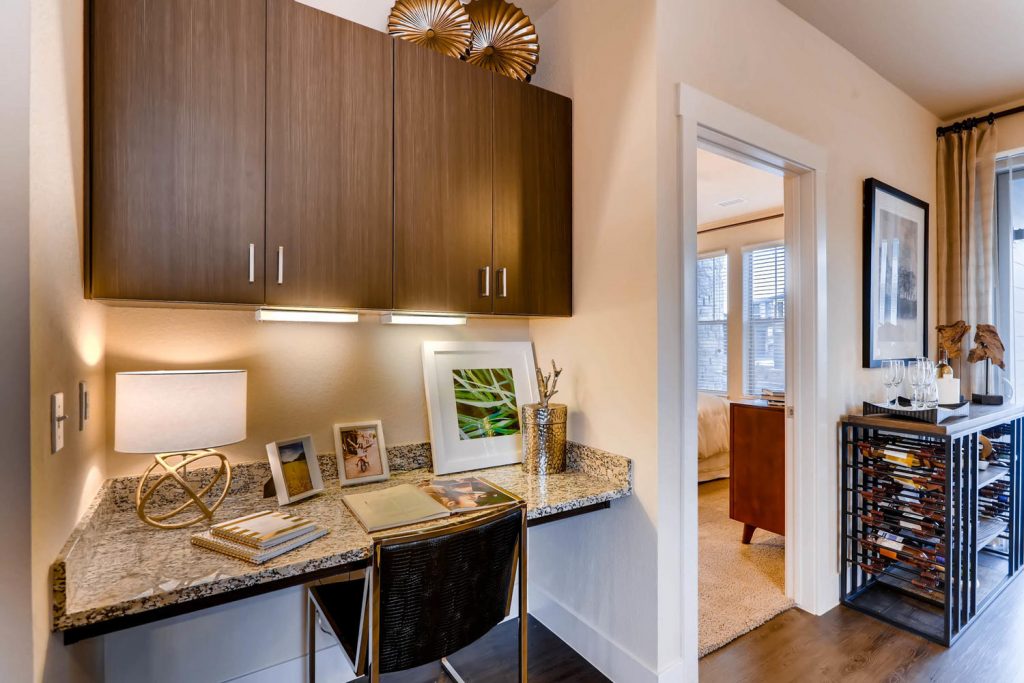
- Flexible spaces that can adapt to remote work, hobbies, or multigenerational living
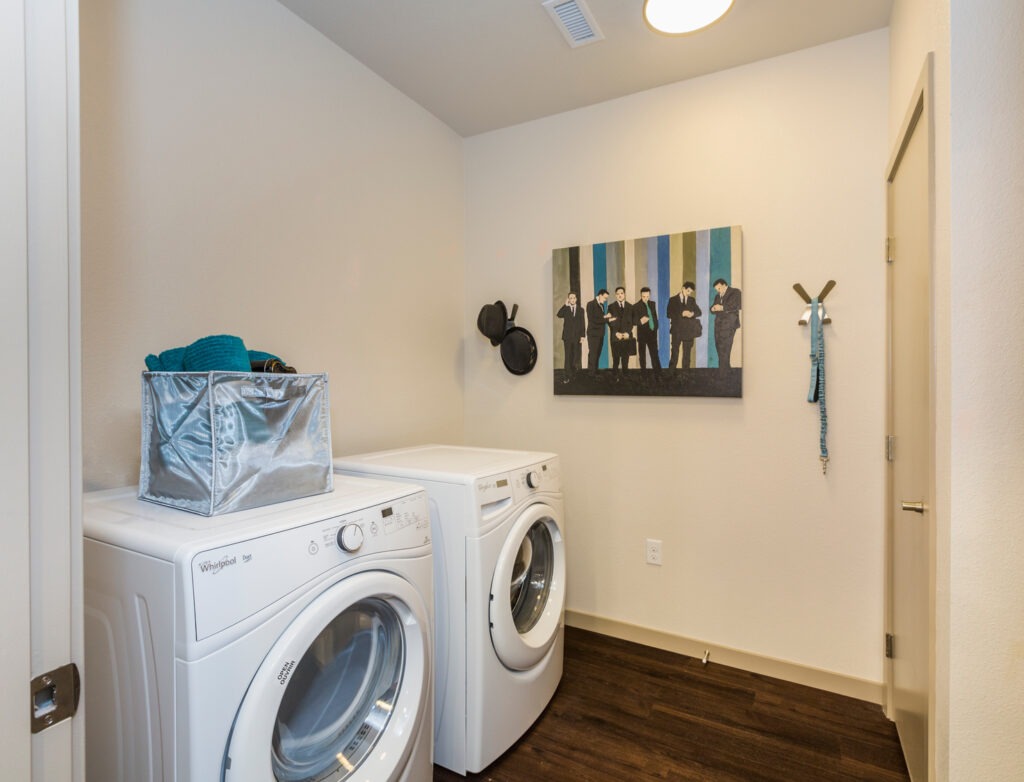
- Full-size laundry rooms that support daily life for families
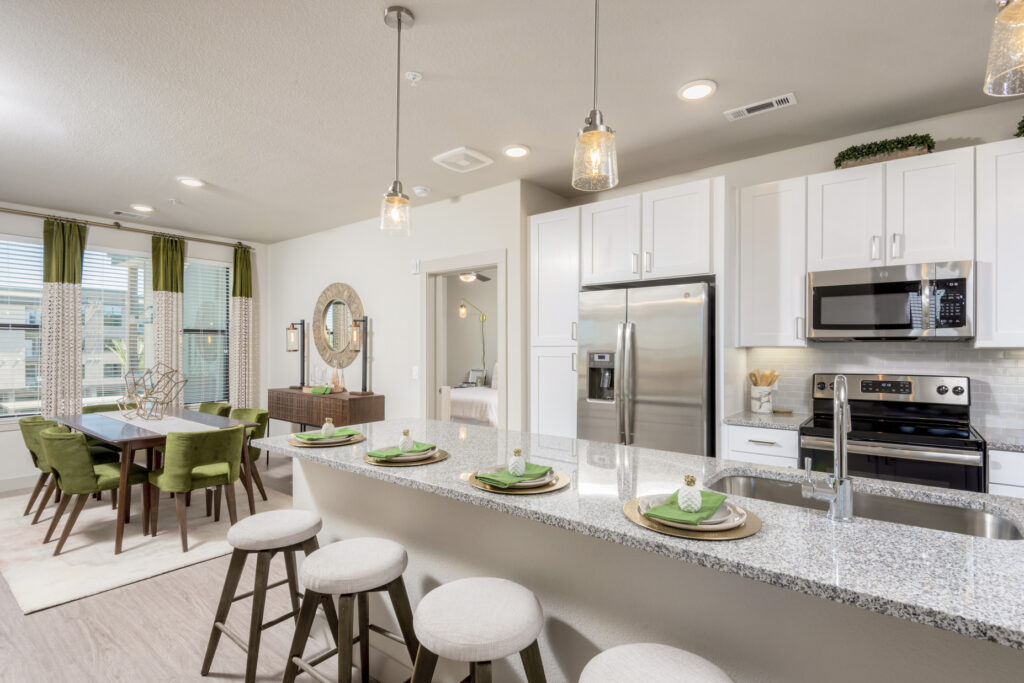
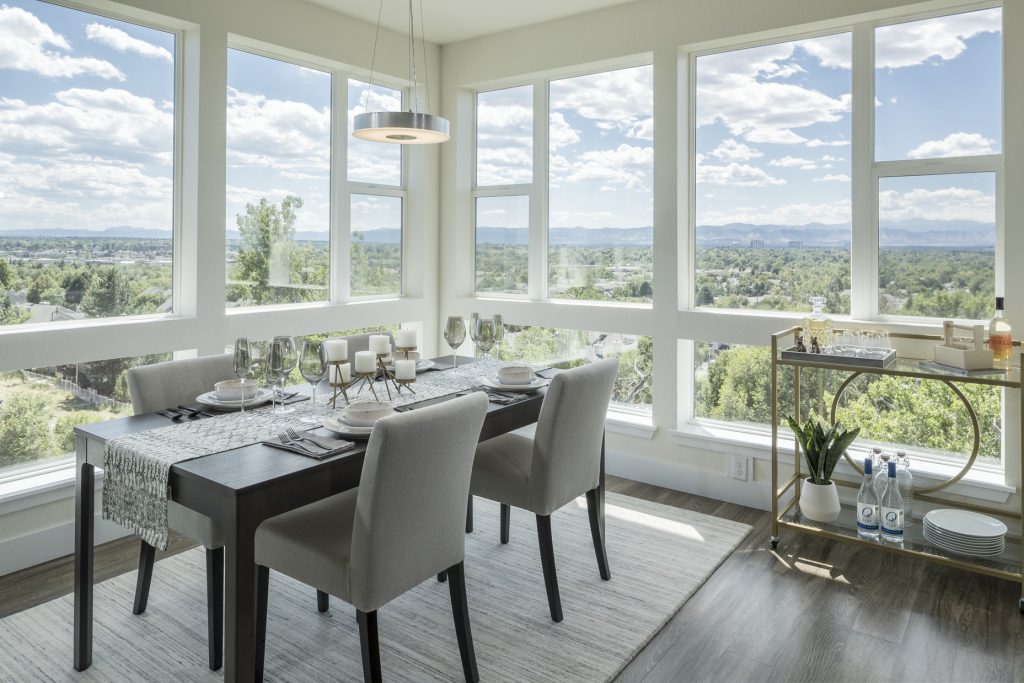
- Larger kitchens and defined dining areas designed for gathering, not just functionality
- Expanded patios and outdoor living space that extend the home
- Attached garages that provide convenience and security
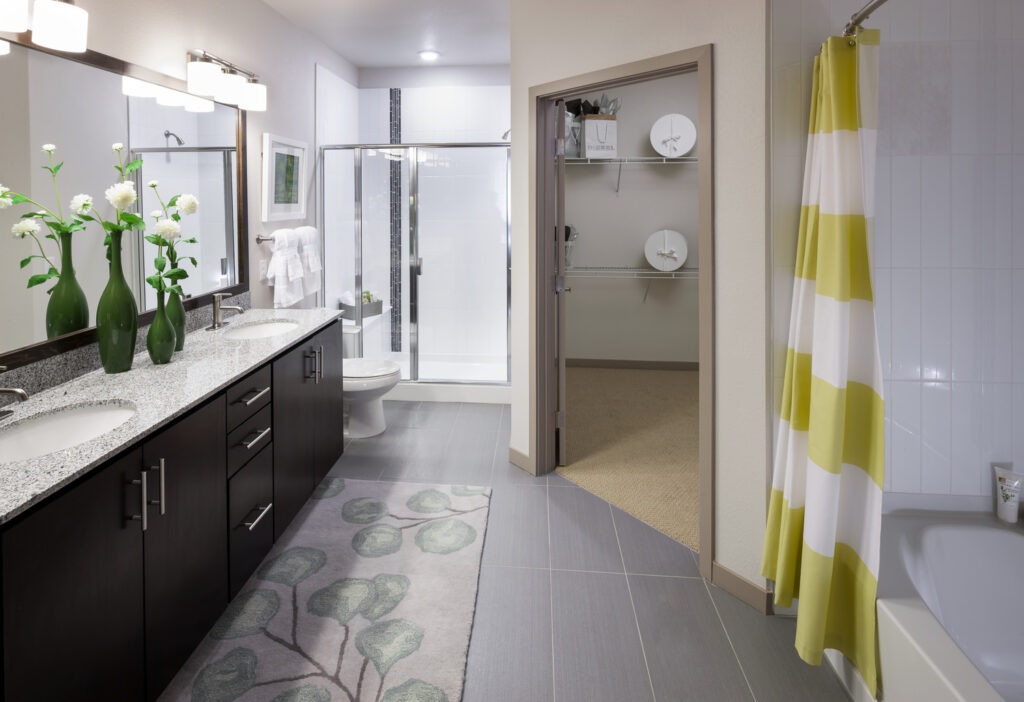
- Thoughtful storage solutions for long-term accumulation
These are not luxury upgrades, they are essential components of livable, adaptable homes.
When integrated into BTR and multifamily product types, they allow renters to stay longer, live more comfortably, and feel a stronger sense of ownership in their space.
The Role of Community
Just as important as the home itself is the community around it.
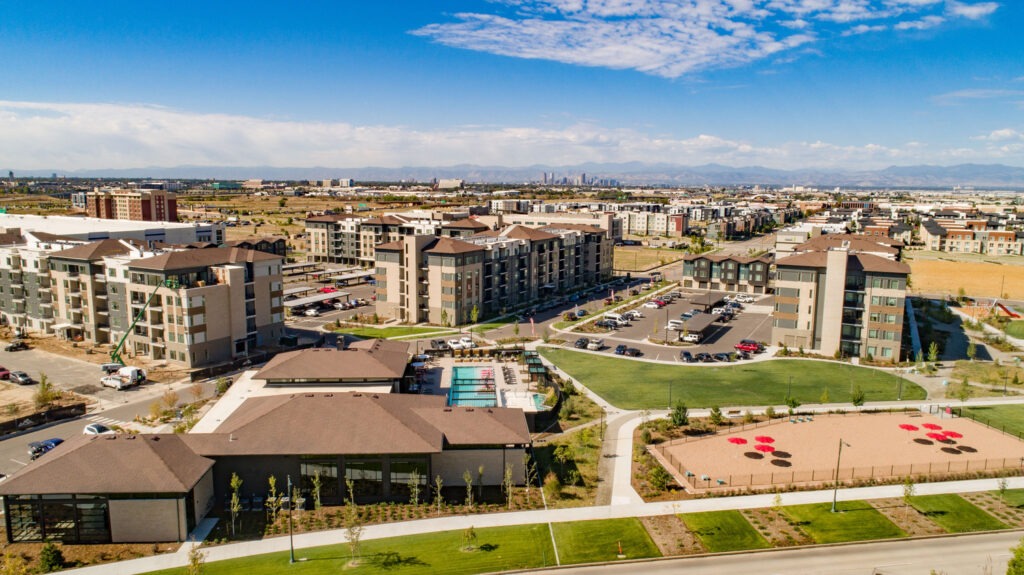
One of the key advantages of rental housing, especially BTR, is the ability to layer in amenities that are difficult to achieve at the individual lot level.
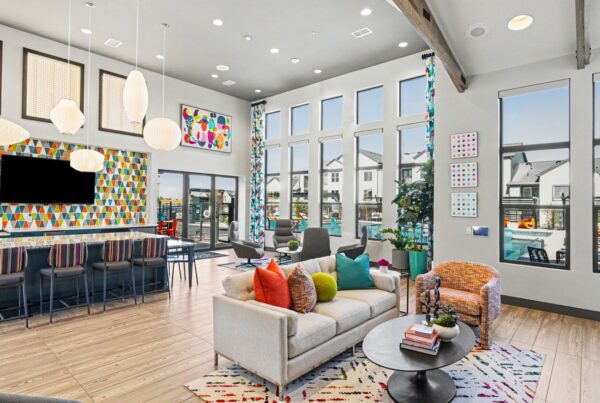
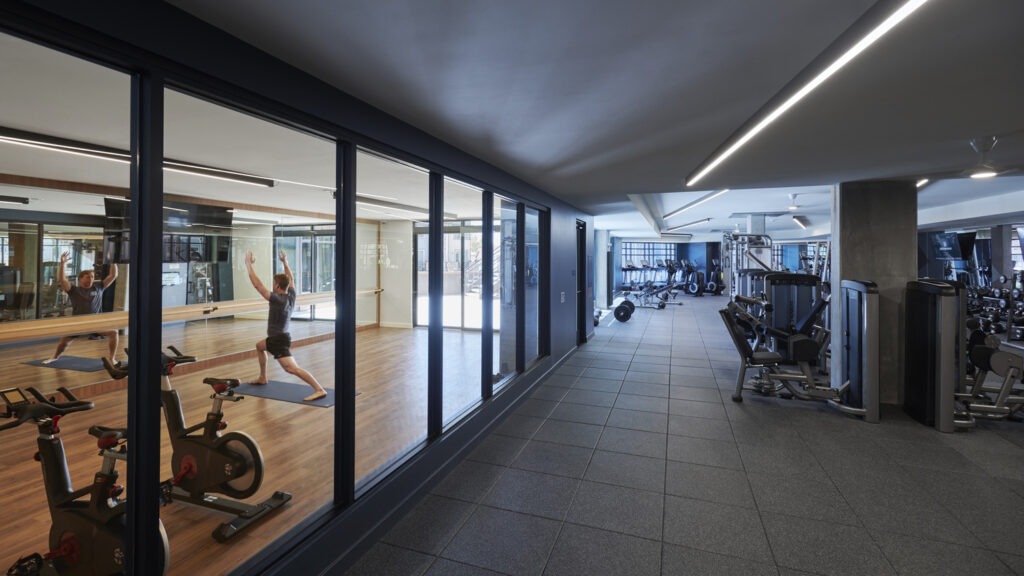
Well-designed communities complement the home with shared experiences, including:
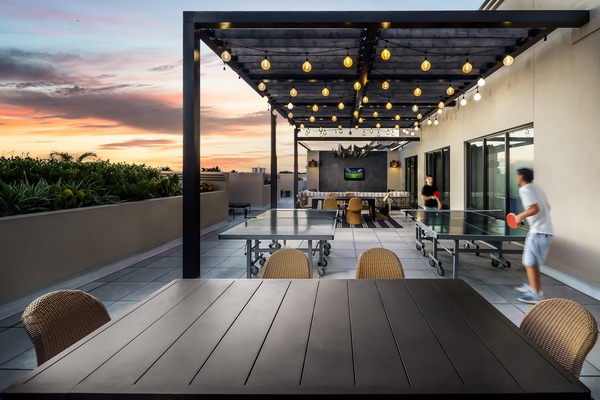
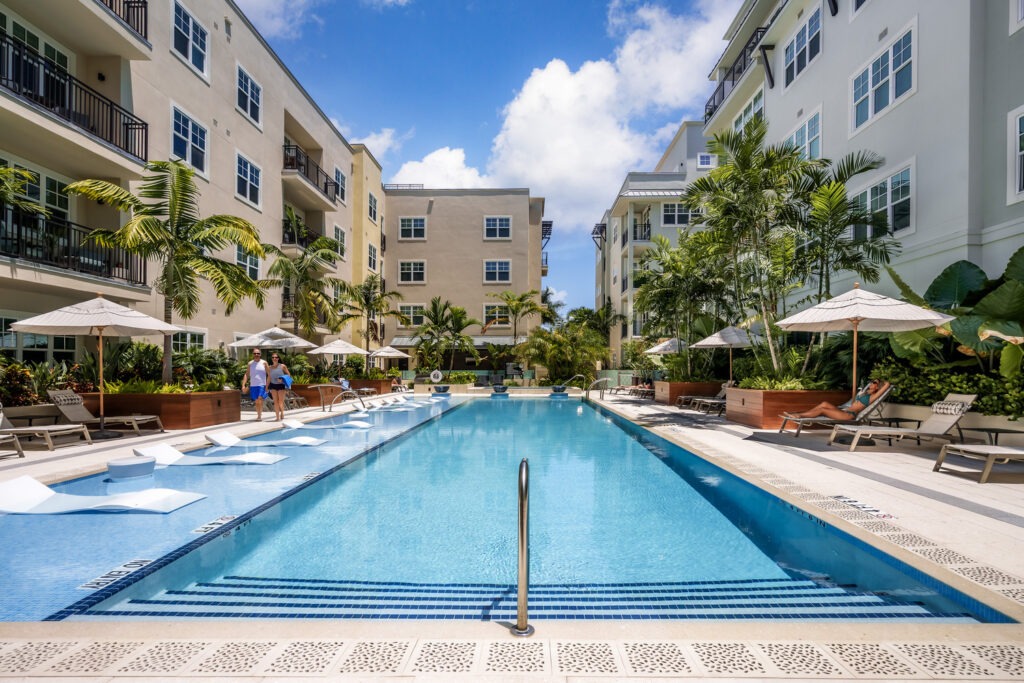
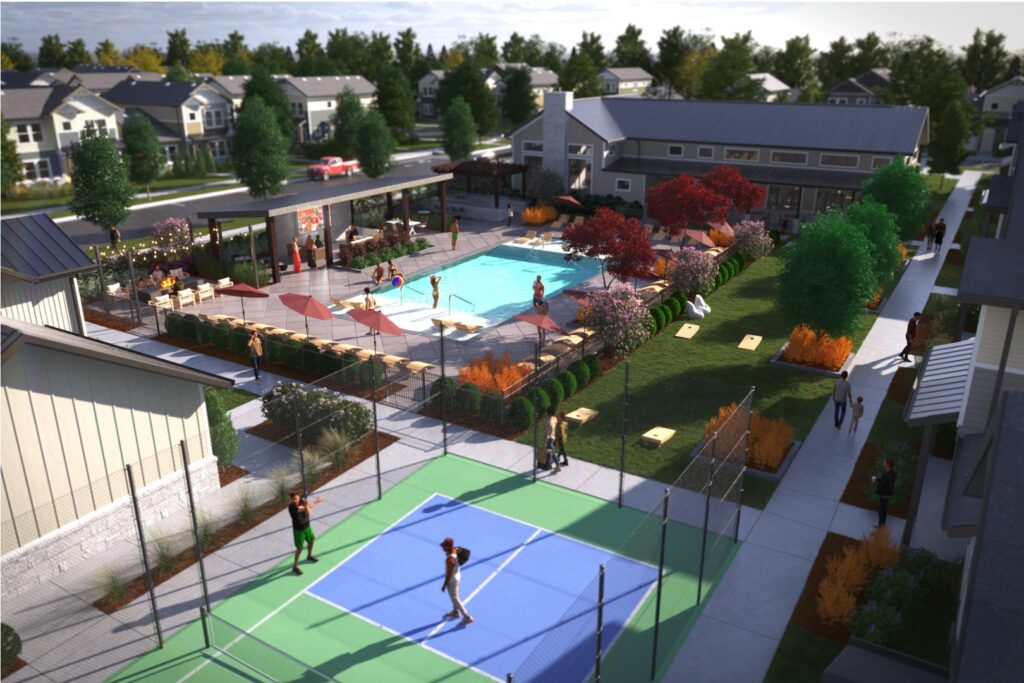
- Resort-style pools and fitness centers
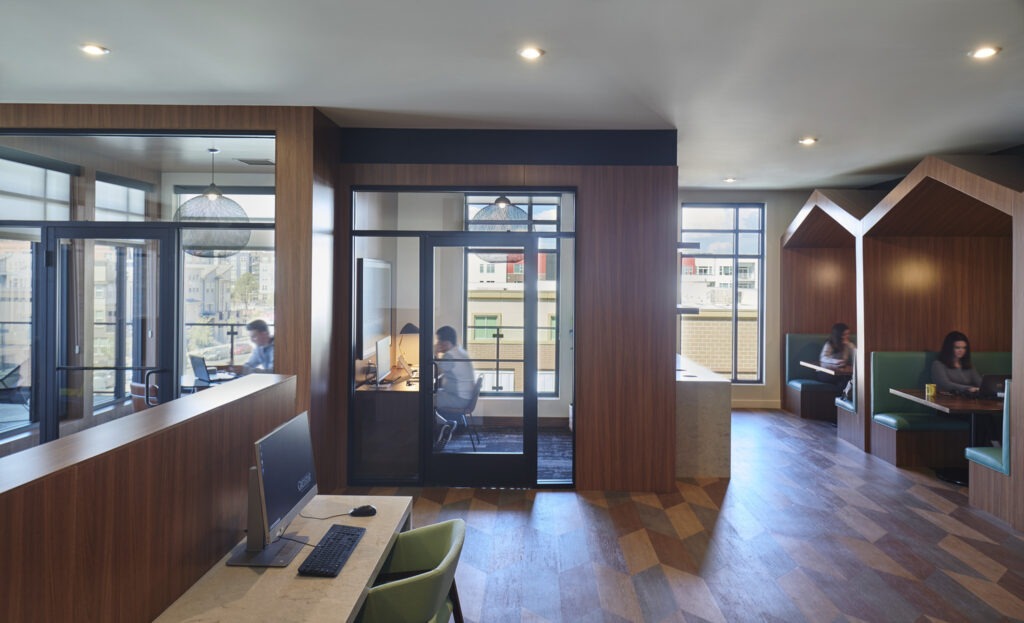
- Co-working spaces that support hybrid schedules
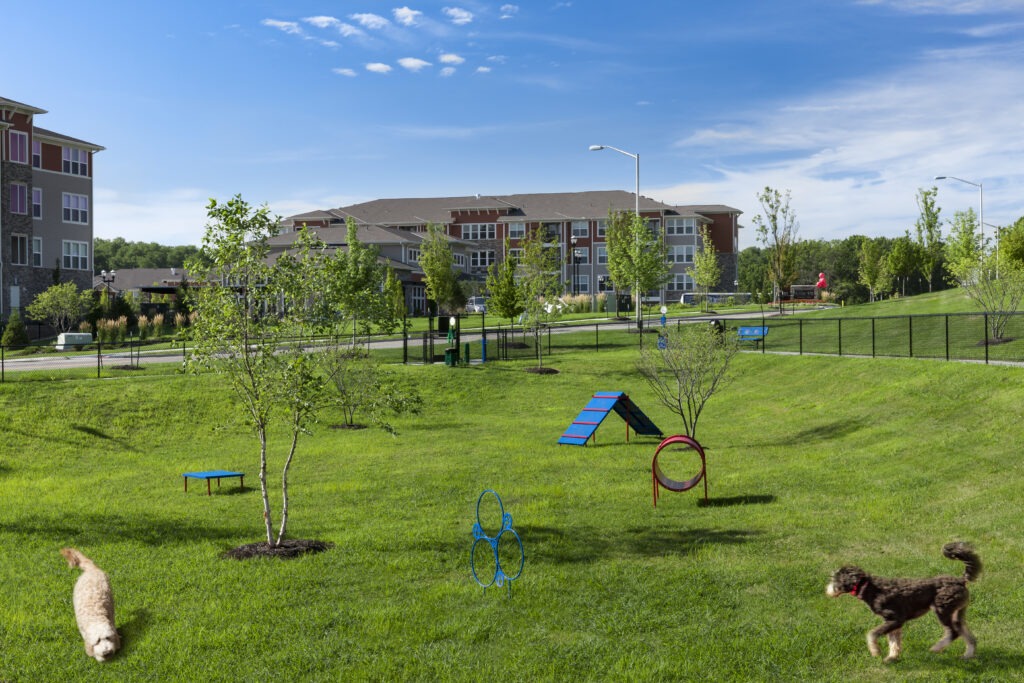
- Dog parks and pet-friendly infrastructure
- Pickleball courts and active recreation
- Walkable open spaces that foster connection
These amenities do more than add value, they create a lifestyle that blends the privacy of single-family living with the convenience and social fabric of multifamily environments.
Designing for What’s Next
The rise of the permanent renter represents a fundamental shift in housing, not a temporary trend. As affordability challenges persist and lifestyle preferences continue to evolve, more people will choose to rent not because they have to, but because they want to.
This requires a new approach to design. One that prioritizes:
- Longevity over turnover
- Flexibility over rigidity
- Identity and belonging over uniformity
At KEPHART, we see this as an opportunity to lead. By combining thoughtful architecture with intentional planning, we can create communities that meet the needs of today’s renters and anticipate where the market is heading next.
Because the question is no longer how to design rental housing. It is how to design homes for people who may never leave.
If you’re exploring how changing renter demographics are shaping the future of housing, we’d love to talk. Contact KEPHART at 303-832-4474 to discuss your next multifamily, build-to-rent, or mixed-use community.