This article was recently published by CREJ’s May issue. To read the full article, click here.

Thoughtful design does more than shape how a project looks and feels, it determines whether a multifamily development can more forward at all. In today’s environment of rising costs and tighter margins, aligning design with pro forma is essential to delivering successful, buildable apartments.
A Shift in the Development Landscape
The realities of multifamily development are changing. In a recent Colorado Real Estate Journal feature, KEPHART President Bryce Hall offers a thoughtful perspective on this evolving reality. As development conditions become more constrained, projects now require greater alignment between architecture, cost, and feasibility from the outset.
In multifamily development, the pro forma ultimately defines what is possible. It establishes parameters around cost, density, and performance, shaping the framework for design. When architects are brought in early, design becomes a strategic advantage, helping identify opportunities, improve efficiency, and strengthen overall project viability.
Efficiency as a Driver of Better Multifamily Architecture
Efficiency is now a defining measure of success in multifamily architecture. Every decision, from unit mix and layout to building form and circulation, carries direct financial implications.
Targeted design strategies can meaningfully improve project outcomes, including:
- Simplifying building massing
- Optimizing unit stacking
- Refining circulation and core layouts
These moves reduce construction complexity while maintaining the integrity of the architectural vision.
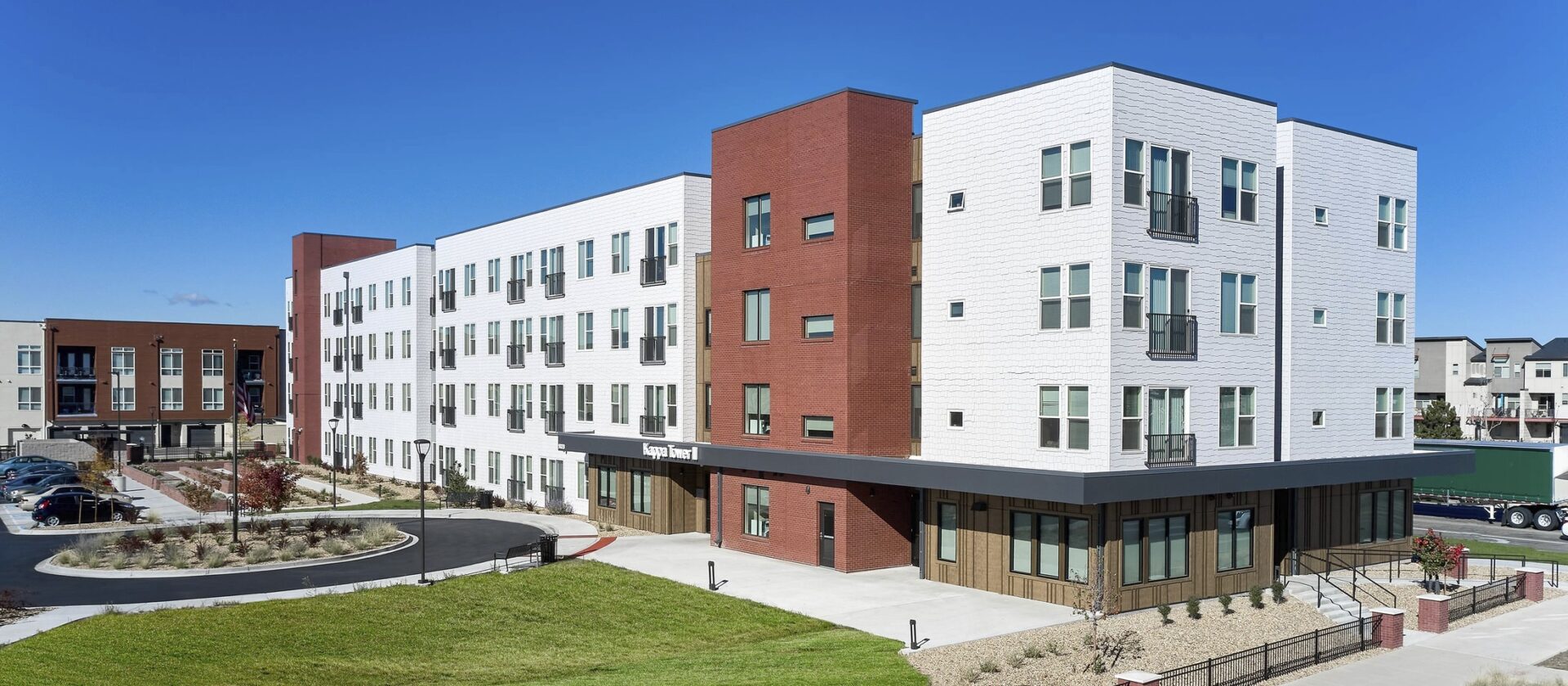
At KEPHART, we see this not as a limitation, but as an evolution in how multifamily architecture delivers value. Well-designed apartments can still feel generous, livable, and highly functional, even as they become more efficient. In many cases, tighter constraints lead to stronger, more intentional solutions.
Rethinking Amenities in Apartment Living
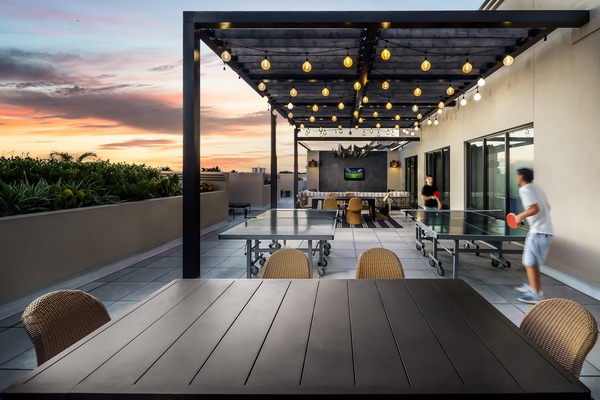
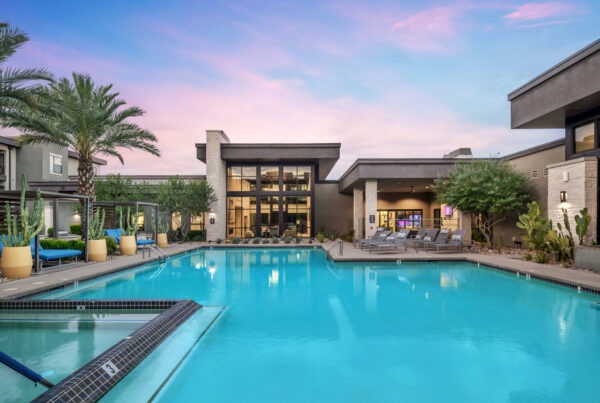
This shift is also influencing how amenity spaces are approached within multifamily developments. Rather than designing for scale alone, today’s apartments prioritize spaces that deliver real, everyday value.
High-performing amenity design focuses on:
- Flexibility across multiple uses
- Efficient allocation of space
- Alignment with how residents actually live
The result is amenity environments that enhance the resident experience while supporting the financial performance of the project.
Aligning Architecture, Cost, and Constructability for Long-Term Success
As the industry evolves, alignment between architecture and pro forma is no longer optional, it’s foundational. The most successful multifamily developments are those where design, construction, and financial strategy work together from the beginning, creating apartments that are not only well-designed, but buildable.
Many thanks to CREJ’s Multifamily Properties Quarterly for featuring Bryce Hall’s perspective on this topic.
To talk through how strategic design can support both your vision and your pro forma, please reach out to our team.
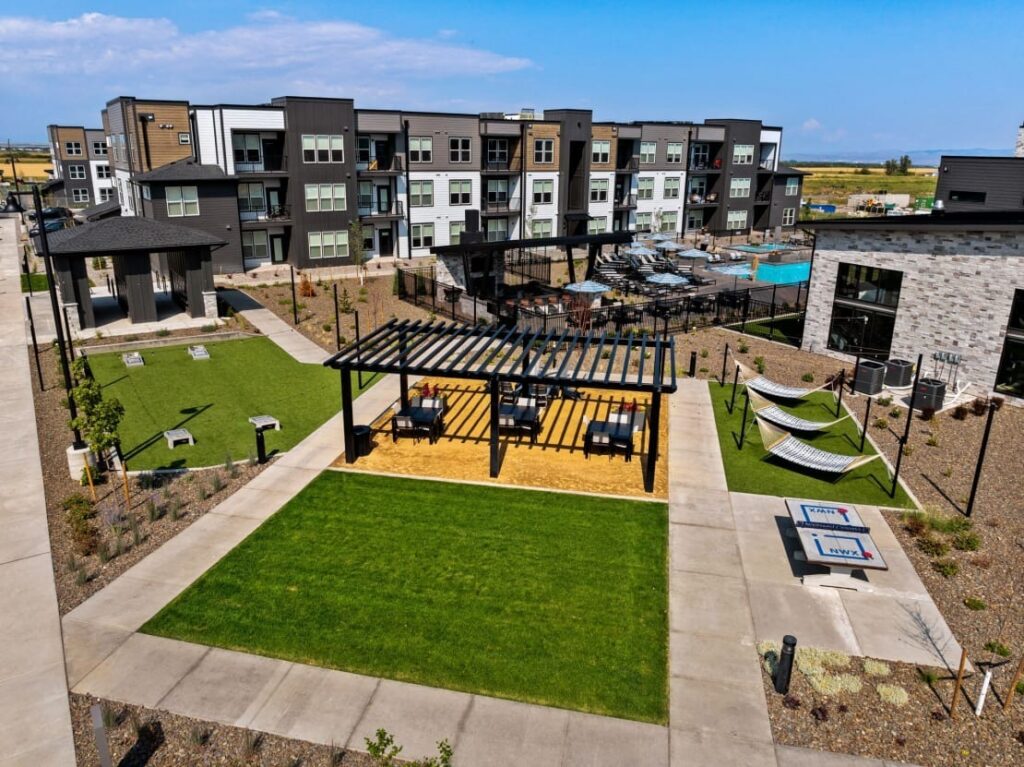
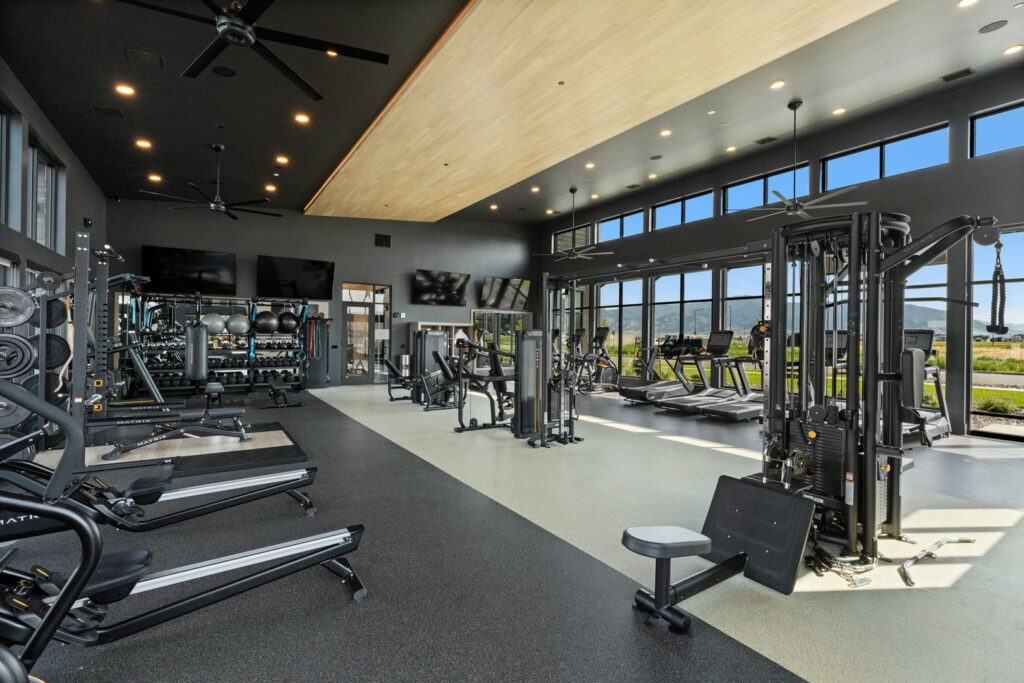
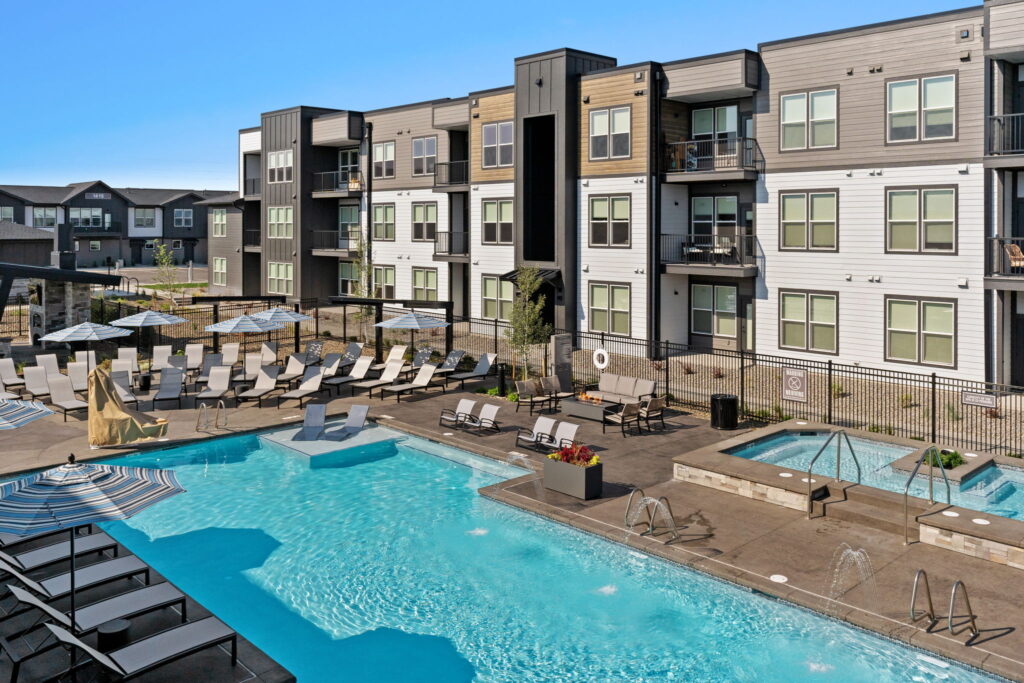
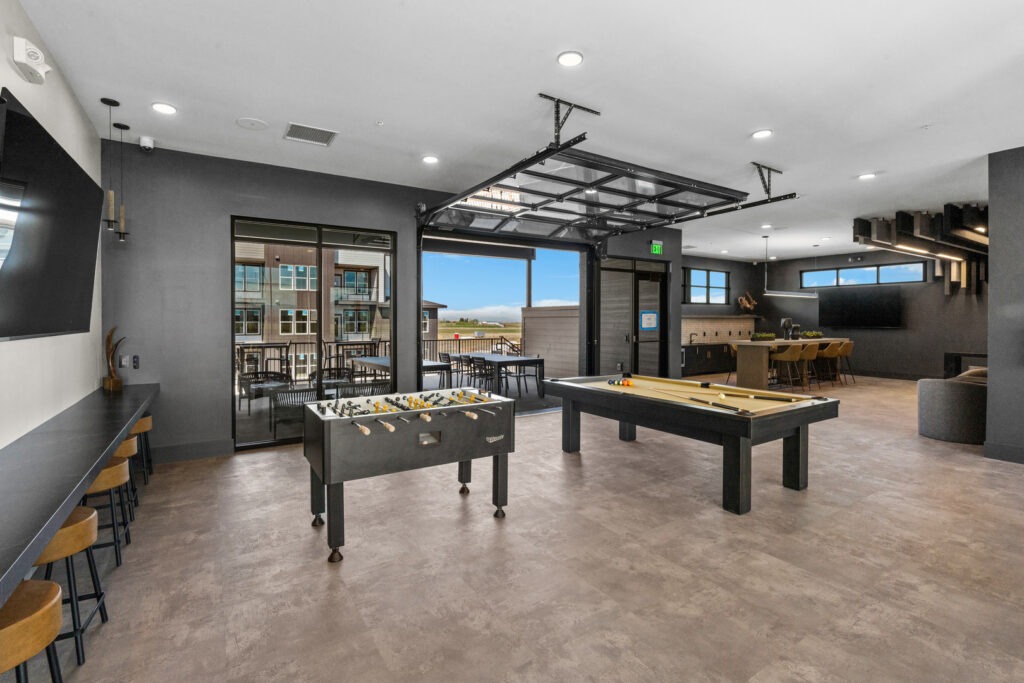
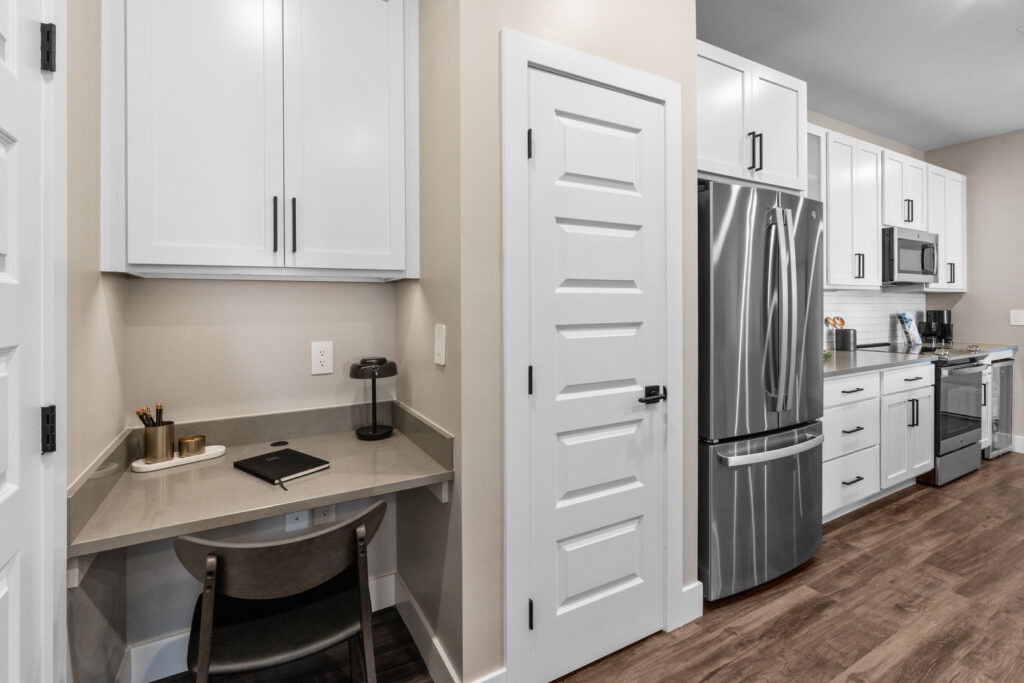
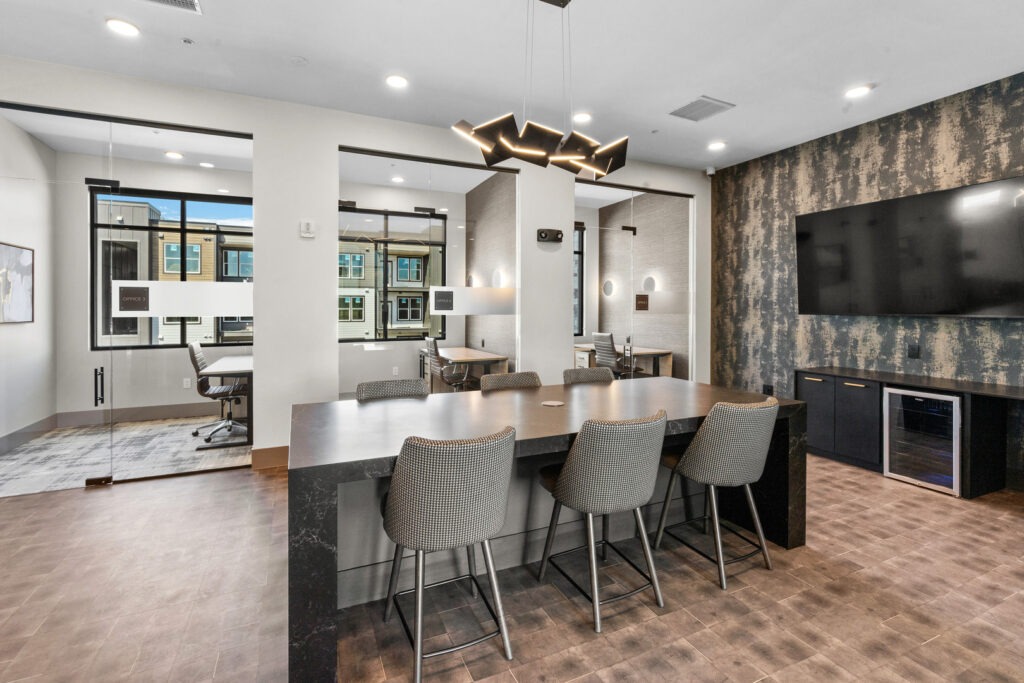
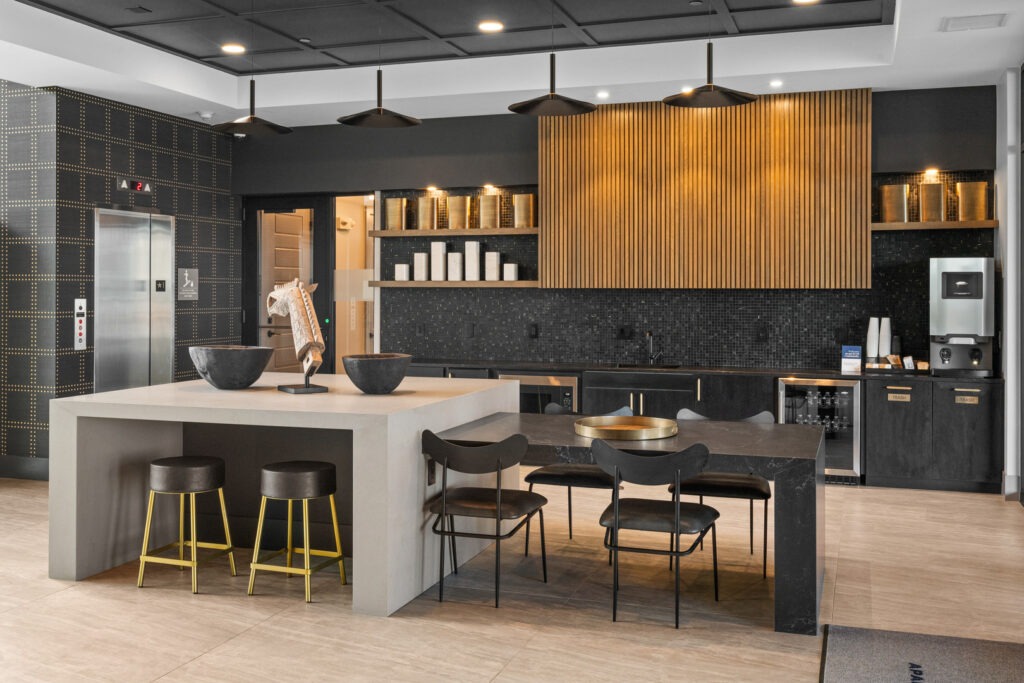
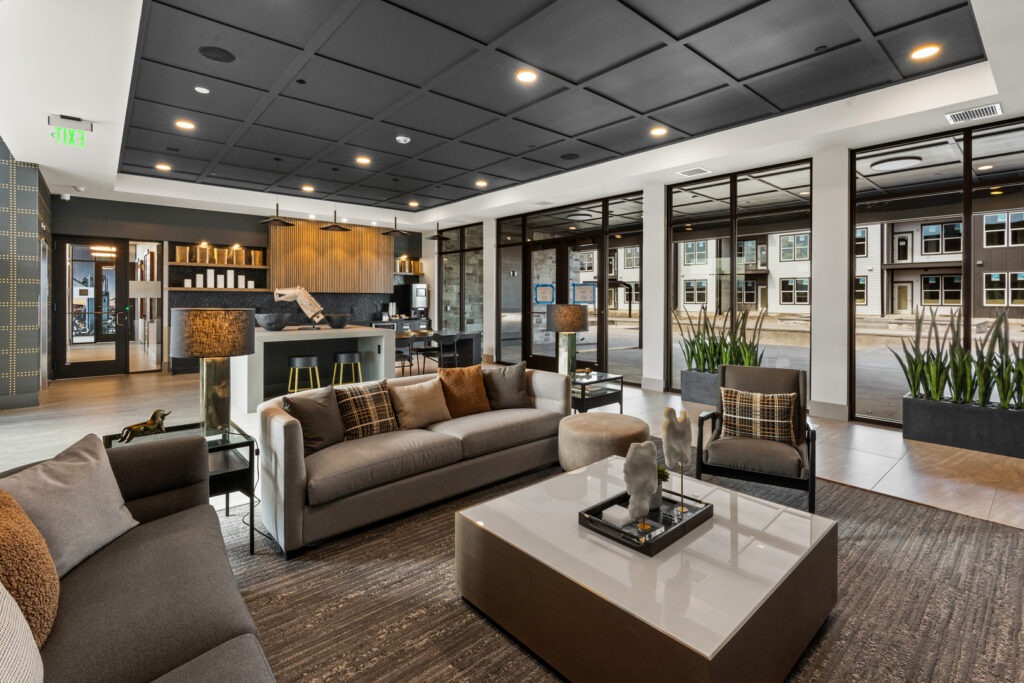
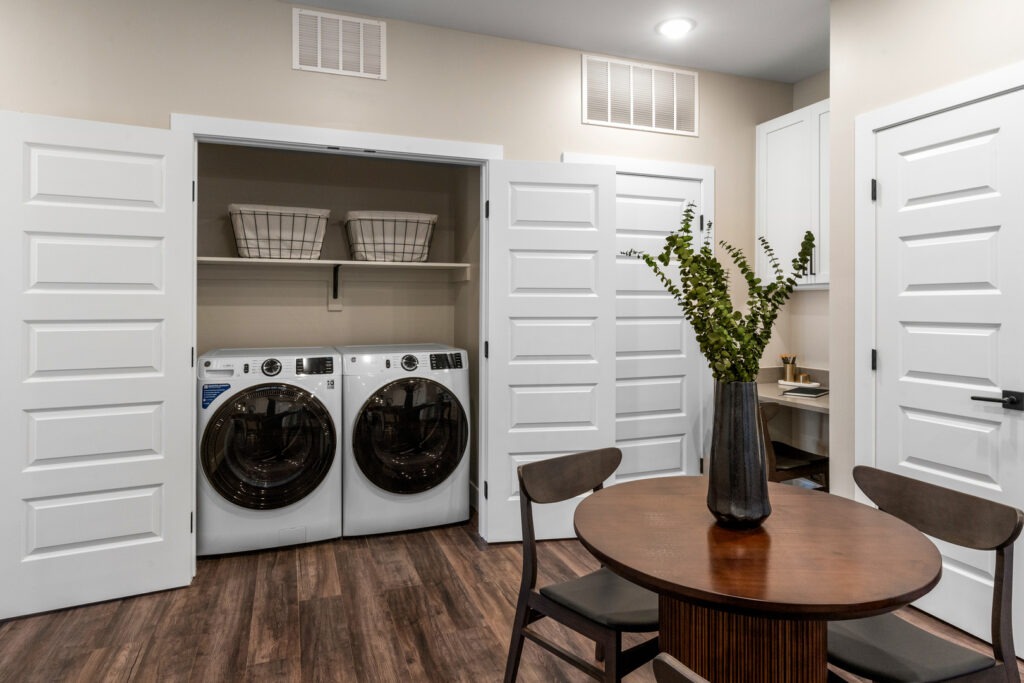
Northwest Crossing – a silver winner in the Best in American Living Awards – in Bozeman, Montana, embodies efficient design with simple building forms, no masonry, stacked units, and generous, right-sized amenities thoughtfully tailored to the way residents live.