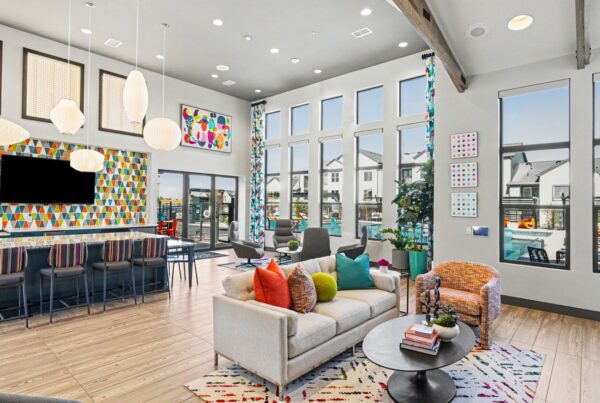
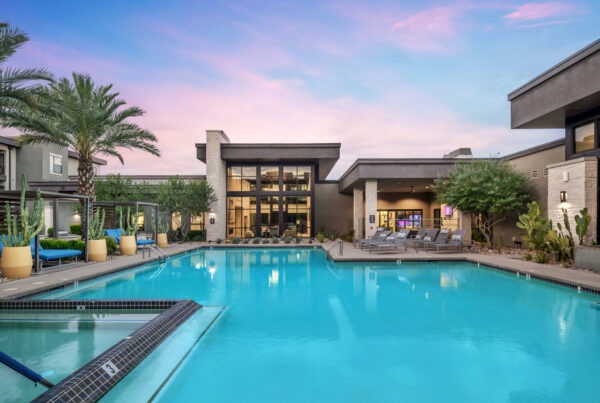
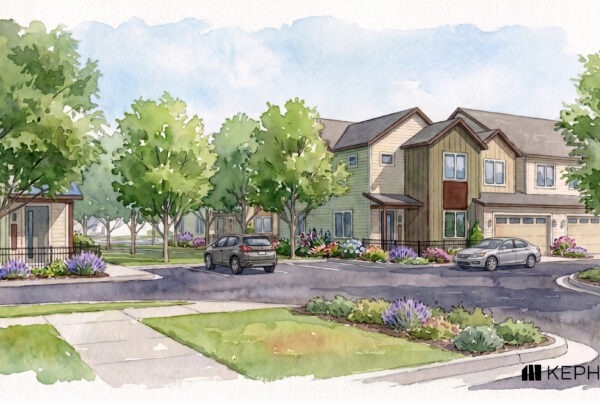
For years, multifamily amenities have been measured by quantity, but as resident expectations evolve and development economics become more complex, we believe it is time to ask a better question: Are these spaces making daily life better?
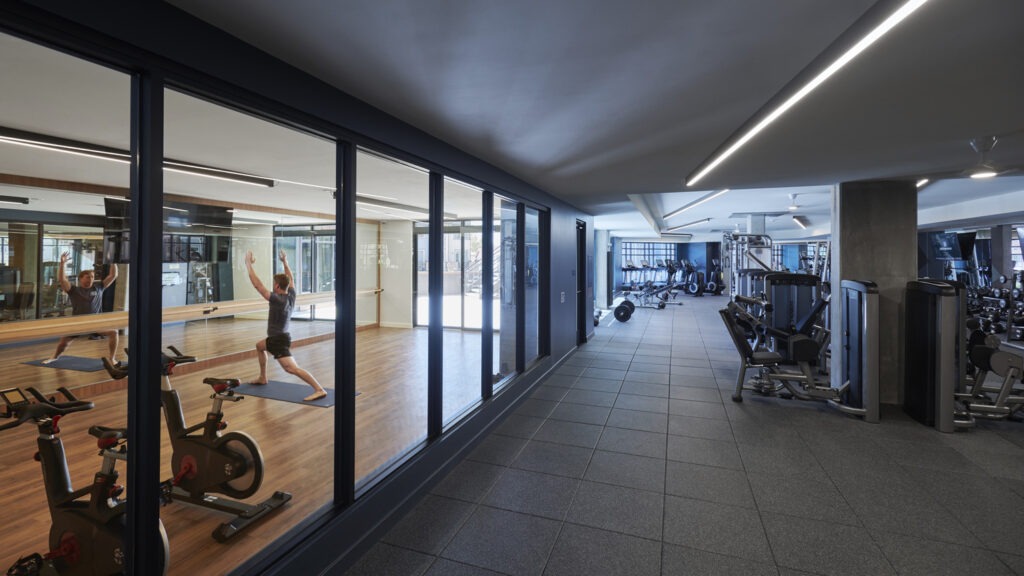
At KEPHART, we have found that the most successful amenities are not necessarily the most expensive or elaborate; they are the spaces residents use often because they are convenient, comfortable, and connected to the rhythms of everyday life.


“When amenities support daily habits, they create opportunities for connection. That’s where community begins.”
Where Everyday Moments Become Connection
One common misconception in multifamily design is that community is created primarily through large, highly programmed amenity spaces, when many of the most meaningful resident interactions happen in the spaces between destinations.
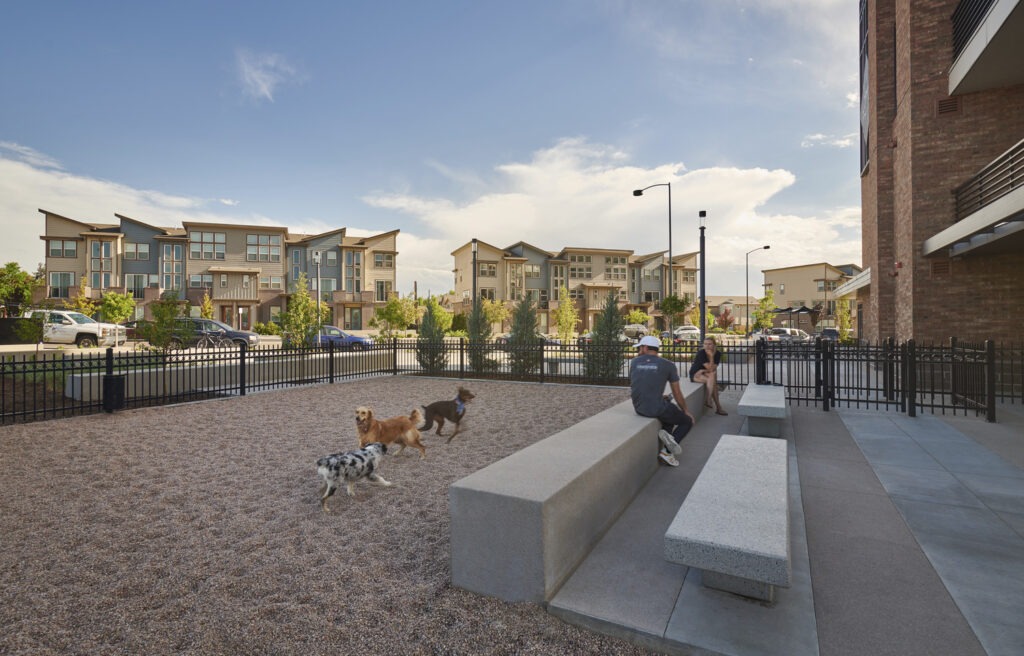
A resident heading out to walk their dog, neighbors crossing paths while picking up their mail, someone stopping to tune up a bike before a ride, or friends gathering around a fire pit on a cool evening may seem like ordinary moments, but together they help transform an apartment community into a neighborhood.
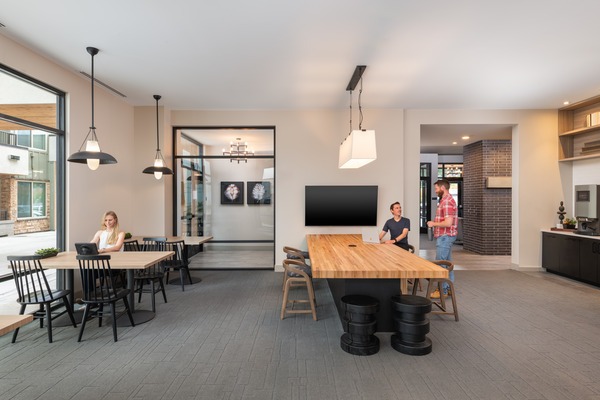
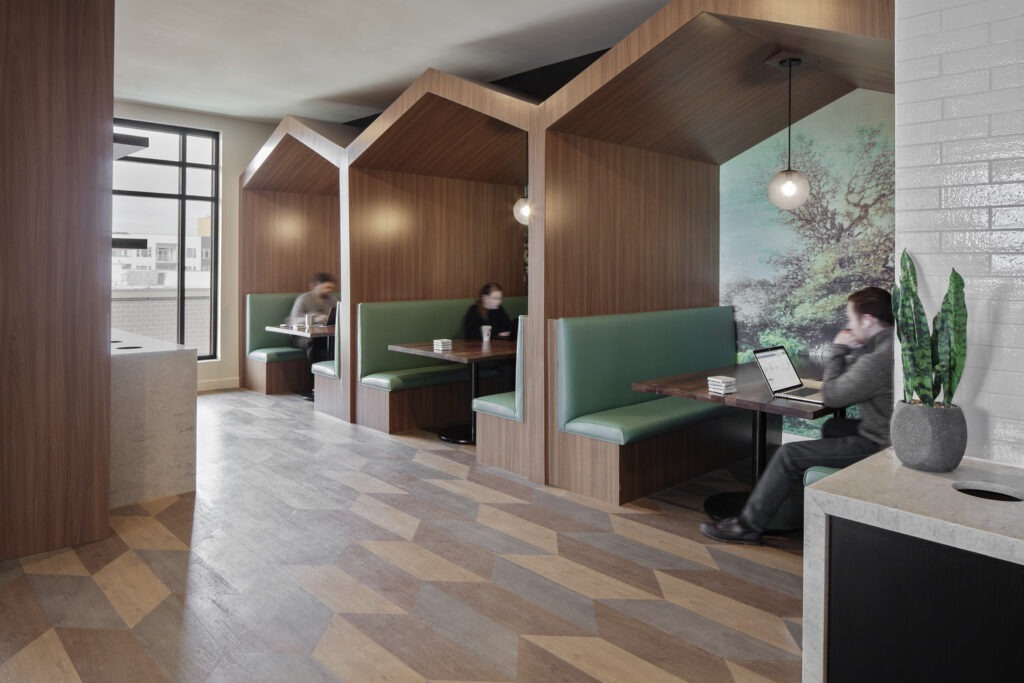
That is why we think carefully about how outdoor spaces connect, how circulation paths encourage movement through the site, and how gathering areas are positioned so they feel visible, welcoming, and natural rather than isolated or overly prescribed. Whether it is a pocket park along a pedestrian route, a flexible courtyard that supports both quiet relaxation and social activity, or a resident lounge that blurs the line between work and leisure, thoughtful design creates more opportunities for connection throughout the day.
Outdoor Spaces With Everyday Impact
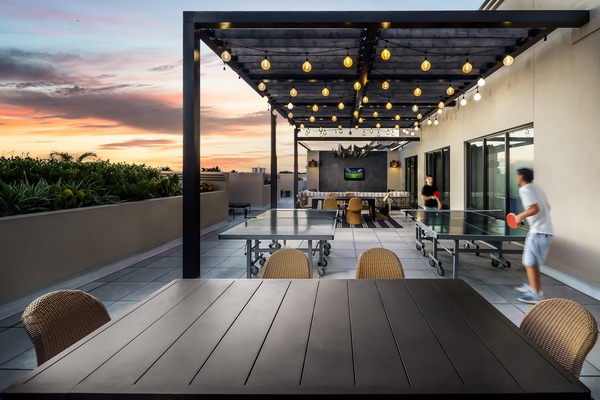
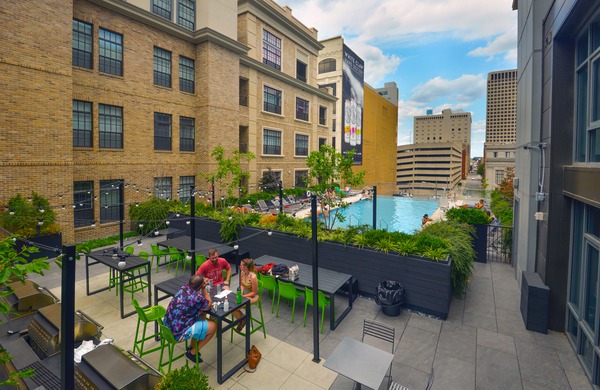
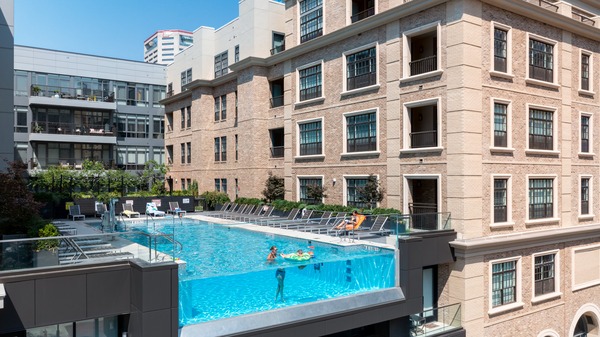
If there is one amenity category that continues to deliver outsized value, it is outdoor space, largely because it offers flexibility, visibility, and an immediate connection to daily life.
A well-designed courtyard, amenity deck, or outdoor room can support morning coffee, remote work, casual conversations, community events, and evening gatherings without being overly specialized.
When residents see activity happening around them, a sense of energy begins to emerge, and the most successful outdoor spaces are often the ones that feel comfortable, accessible, and easy to use every day.
Designing for Change Over Time
Resident preferences will continue to change, which means communities need amenity spaces that can adapt as habits, work patterns, and expectations evolve.
Rather than dedicating valuable square footage to a single purpose, we see greater long-term value in environments that can shift throughout the day, such as a gathering space that supports remote work in the morning, informal meetings in the afternoon, and resident events in the evening.
The more adaptable a space is, the more opportunities it creates for engagement, which strengthens the resident experience while supporting long-term performance for owners and developers.
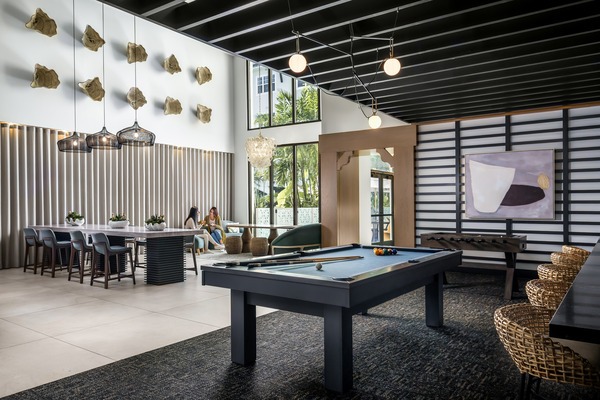
The Future of Amenity Design
As multifamily housing continues to evolve, the conversation around amenities should be less about quantity and more about purpose, shifting from “What amenities should we include?” to “How will residents use this space, and what role will it play in building community?”
That shift requires looking beyond the amenity checklist and focusing instead on how each space supports the daily experiences residents remember, repeat, and share.
When amenities are designed to support daily life and invite meaningful interaction, they become more than features on a site plan; they become the everyday framework for connection, belonging, and long-term community value.