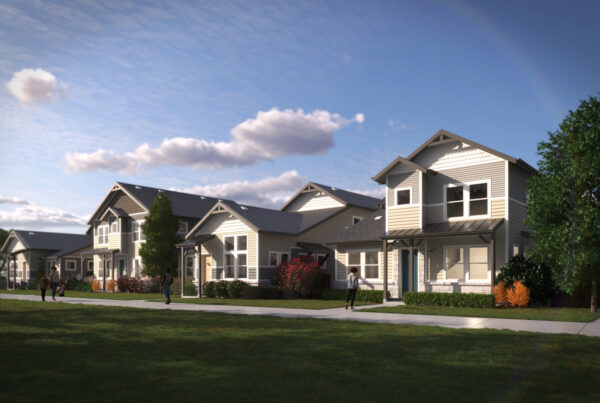
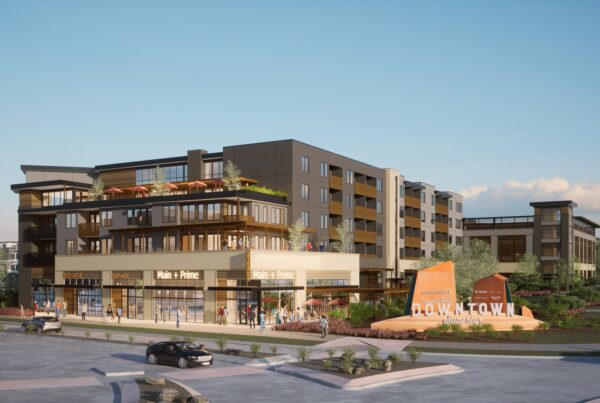
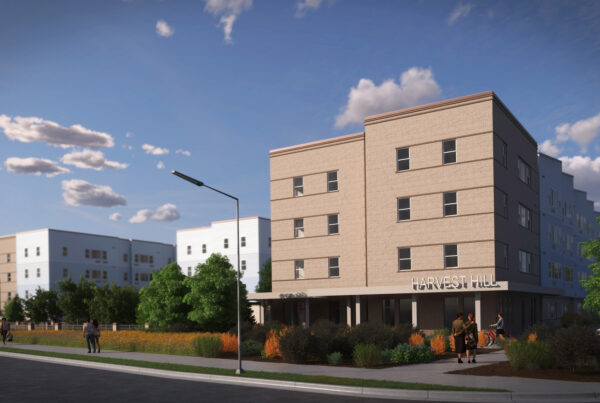
At KEPHART, our work is driven by a simple idea. Residential design should feel authentic to its place and shaped by the people who live there. A local experience is more than a style. It is a mindset rooted in humility, curiosity, presence, and thoughtful observation. We approach each project with the intention to understand what makes the site unique so the communities we design feel grounded and enduring.
What Regionalism Means to Us
Regionalism is often mistaken for the easy answer. Use a local material. Reference a familiar style. Call it good. Our approach goes much deeper.
For us, regionalism is the discipline of understanding what a place has been, what it is today, and what our client and local leaders hope it will become. It means studying climate, culture, and civic goals. It means learning from history without becoming trapped by it.
Bobby Long our Director of Design, captured it well. “A place has a story to tell. You must be inquisitive and humble and listen to what it wants to be.”
Why Site Story Matters
People connect to authenticity. Cities do too. A strong site story creates designs that feel honest, specific, and long lasting. It helps communities see that our work is not the “color of the month”. It is a thoughtful response to the deeper identity of the location.
Our Research Process
To design something that feels true to its location, we take a wide view of the site and the people connected to it. Our team gathers information from multiple angles and translates it into a clear understanding of what the place needs.
- Direct time on site
- Meetings with neighborhood groups and civic leaders
- Study of zoning, code, and long-term municipal goals
- Local archives and historical societies
- Community culture and daily use patterns
- Climate, daylight, and topography
- Analysis of successful projects with similar context
This mix of research gives us both the technical realities and the unspoken character of a site. It builds the foundation for design choices that feel intentional, not arbitrary.
How Regionalism Shapes Our Design
Regionalism becomes clear in the choices that define how a project fits its place. We use context driven massing and form, allowing the surrounding scale and proportions to influence the building’s presence. Our material selection is grounded in place, guided by climate, roots, and longevity rather than trends, which creates architecture that is durable and timeless. We design circulation that mirrors local life patterns, studying how people move, gather, and rest so our spaces respond to real behavior.
We also look to histories that shape narratives. Past uses, industry, migration, and civic identity inform the character of the buildings. And throughout the process, we prioritize participation in municipal vision, treating code as a partner and working with city staff to support long range goals.
Authenticity also keeps our work grounded. When design grows honestly from the site, we avoid unnecessary flourishes, trend chasing, and short-lived visual statements that age quickly and add cost. By focusing on what matters and stripping out what does not, we deliver solutions that are both financially responsible and timeless.
During a recent project presentation, Bryce Hall our President shared a reaction that captures our approach perfectly.
“This is the exact embodiment of an authentic local experience. A deep understanding of what the place has been, what current leaders want it to be, what it is today, and how we can satisfy that.”
The Mark We Aim to Make
We believe design has impact when it grows from place, serves real people, and stays true to purpose. That focus allows us to create thoughtful, enduring, and award-winning multifamily communities that genuinely improve lives.
For more than 50 years, KEPHART’s team of architects, land planners, and contract administration professionals has upheld a commitment to collaboration and craft. We listen to what each site is telling us, and deliver architectural and planning solutions that feel grounded, intentional, and are built to last.