The 2025 IMN BTR West Conference brought together leading developers, investors, designers, and industry strategists to unpack the fast-evolving build-to-rent (BTR) landscape. With affordability pressures mounting, renter demographics shifting, and regulation intensifying, the event delivered timely insights on how the sector is adapting—and thriving. From design innovation to operational discipline and policy navigation, the sessions outlined a clear path forward for a sector poised for sustained growth.
The Affordability Gap Is Powering Demand
One of the most striking statistics presented at the conference: it’s now 82% more expensive to own than to rent nationally. With the average first-time homebuyer age hitting 38 and a roughly $1,000 monthly affordability gap between rents and mortgages in key markets like Texas, BTR is positioned to serve “renters by need” rather than just “renters by choice.” Sixty-five to seventy-five percent of the population falls into this category, driving strong, stable demand for well-designed rental communities that deliver quality and attainability.
Mixed-Density Communities Are Outperforming Single-Product Developments
The data is clear: mixed-density developments—combining cottages, townhomes, and detached units—are outperforming single-product projects.
Nearly 60% of renter households prefer 1- or 2-bedroom layouts, with 2/2 and 3/2 floorplans emerging as the market’s sweet spot. And the modern “must-have”? A two-car garage, now a standard expectation for both residents and capital partners, valued as much for storage as for parking.
Operational Efficiency Must Remain Invisible to Residents
A recurring theme across sessions was that operational efficiency should enhance the resident experience without being noticed. The mantra “focus on the resident” drove discussions about balancing on-site personnel during lease-up with AI-powered off-site support for ongoing operations. Traditional on-site maintenance roles may evolve as centralized systems and technology create new efficiencies. The key is delivering gratification to residents while keeping costs manageable—a delicate balance that requires intentional design from the start.
The Regulatory Climate Requires Strategy
Twenty-four states have introduced bills targeting institutional buyers, primarily in the single-family rental space. While many bills have carved out BTR, developers can’t afford complacency.
The consensus:
- Red states remain more favorable to BTR.
- Early collaboration with zoning attorneys is key.
- Data-backed community alignment helps counter NIMBY resistance.
Success depends on framing BTR as a community asset, not an intrusion—showing how it meets local housing goals and expands access to quality housing.
Location Remains the Primary Driver of Success
In discussions about making deals pencil, location emerged as the top priority, followed by product type and density. The tried-and-true: BTR 1.0 model—detached cottage products 45 minutes from city centers at 8-10 units per acre—continues to work, but there’s no market distress creating bargain opportunities. Instead, panelists described “lots of ‘meh’ opportunities,” making strategic site selection more critical than ever for achieving target returns.
Design Is About Lifestyle, Not Just Function
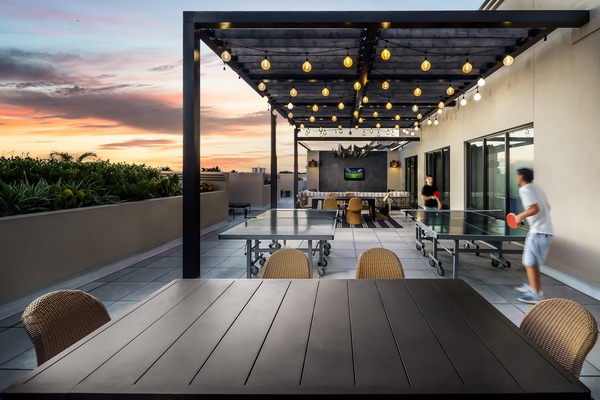
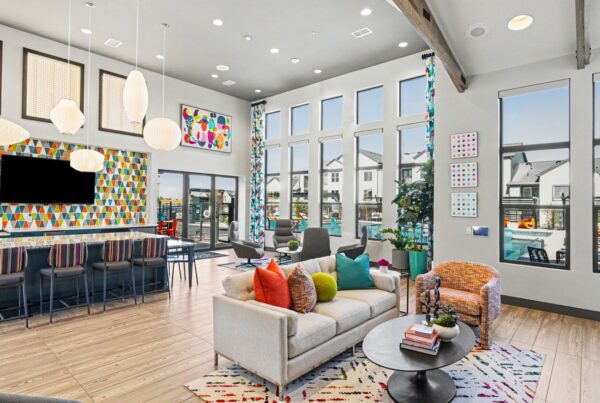
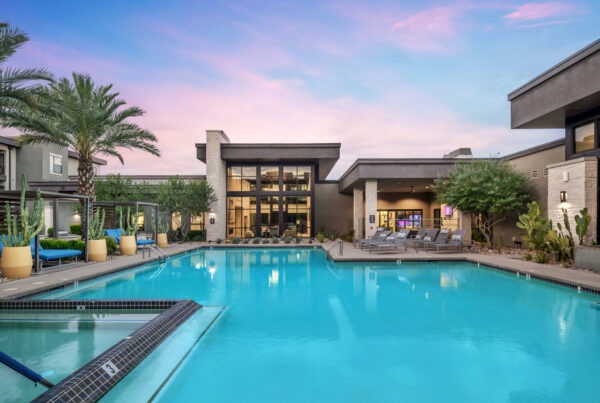
Perhaps the most important takeaway for the design community: BTR’s competitive advantage over single-family rentals lies in community lifestyle. Amenity wars are intensifying, but panelists urged developers to “hold true to the concept” rather than chasing every trend. Best practices include phasing amenities first so residents never feel like they’re living in a construction zone, and designing flexible, storage-focused layouts that deliver Class A multifamily finishes while supporting the BTR lifestyle proposition.
The Path Forward
The build-to-rent (BTR) sector is at a pivotal moment. While growth is currently tempered by interest rate volatility and ongoing underwriting challenges, the underlying market fundamentals remain robust. Sun Belt metros such as Phoenix, Dallas–Fort Worth, and Atlanta are leading the charge, with strong delivery pipelines projected through 2026. Yet, with BTR communities accounting for just 0.1–0.5% of metro apartment inventory, the potential for expansion is significant.
Success in this next phase will hinge on developers’ ability to create attainable, lifestyle-driven communities that prioritize resident experience without sacrificing operational efficiency. Those who embrace evolving market dynamics—through thoughtful design, strategic site selection, and resident-centric amenities—will be best positioned to capitalize on the sector’s momentum and unlock long-term value.